
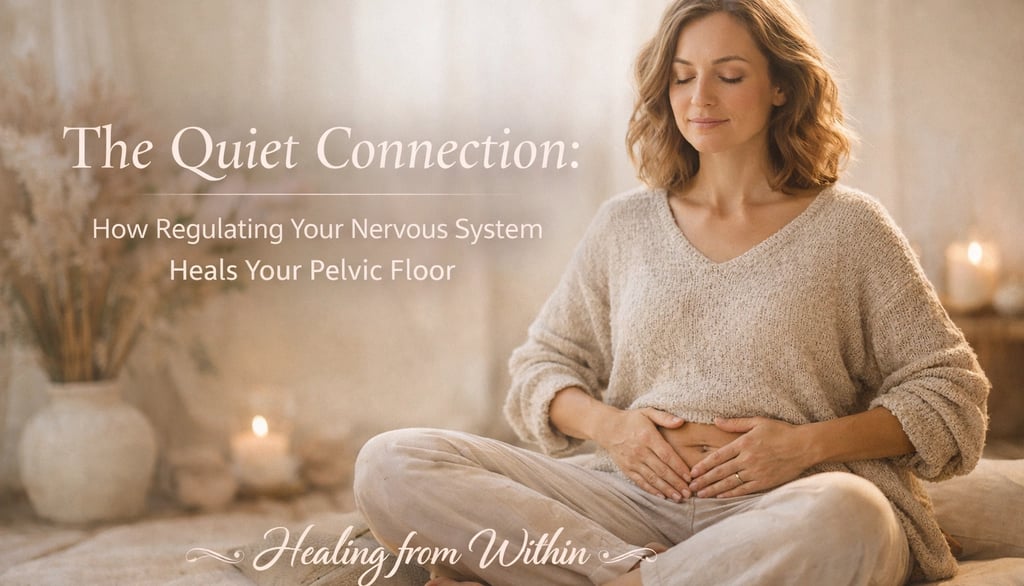
The Quiet Connection: How Regulating Your Nervous System Heals Your Pelvic Floor
PELVIC HEALTHWELLNESSSELF CARELIFESTYLE
Jodi Bremner MScPT, Founder of Hervana Women's Wellness
5 min read
___________________________________________________________________________________________________
Have you ever noticed what happens to your body when you’re stuck in traffic, rushing to meet a deadline, or navigating a difficult conversation? Perhaps your shoulders creep toward your ears. Maybe your jaw tightens. But there is another place: a quieter, more hidden place: where your body stores that stress: your pelvic floor.
At Hervana Women’s Wellness, we often talk about the pelvic floor as the "basement" of the core, but it is also a mirror. It reflects our internal state, our history, and most importantly, the current temperature of our nervous system.
If you’ve been struggling with pelvic tension, bladder urgency, or discomfort, you may have been told to "just do your Kegels" or "just relax." But true healing doesn’t happen through effort alone. It happens when we create a sense of safety within our own skin. It happens when we understand the quiet connection between our brain and our pelvis.
__________________________________________________________________________________________________
The Two Branches of Your Inner Tree
To understand why your pelvic floor feels the way it does, we have to look at the autonomic nervous system. Think of it as a tree with two main branches that dictate how you experience the world.
The first branch is the Sympathetic Nervous System (SNS). This is your "fight or flight" mode. It is a biological gift designed to keep you safe from danger. When the SNS is activated, your heart rate increases, your breath becomes shallow, and your muscles prime themselves for action. Evolutionarily, this meant running from a predator. In modern life, it usually means answering an "urgent" email at 9:00 PM.
The second branch is the Parasympathetic Nervous System (PSNS). This is your "rest and digest" mode: or as we like to call it here at Hervana, your sanctuary mode. This is where healing, digestion, and sexual arousal happen. It is the state where your body can finally drop its guard.
Here is the catch: your pelvic floor is listening to both branches.
___________________________________________________________________________________________________


___________________________________________________________________________________________________
Why the Pelvic Floor "Clenches"
Your pelvic floor and your nervous system are in a constant, two-way conversation. This dialogue is facilitated largely by the pudendal nerve, which acts as a high-speed messenger between your brain and your pelvis.
When your nervous system is stuck in a sympathetic "high," your pelvic floor receives a signal to guard. It tightens instinctively. This is a protective reflex: your body is trying to stabilize your center because it perceives a threat.
If this happens once in a while, your body recovers. But for many of us, the "off" switch has become a little rusty. We live in a state of chronic, low-grade stress. When the pelvic floor stays in this "clenched" state for too long, it leads to what we call hypertonicity: muscles that are too tight to function properly.
This can manifest as:
A frequent, urgent need to pee (even when your bladder isn't full).
Pelvic pain or discomfort during intimacy.
A feeling of "heaviness" or pressure.
Difficulty fully emptying your bladder or bowels.
If you’ve ever wondered, "Do I really need pelvic floor physiotherapy?", the answer often lies in how your nervous system is communicating with those deep muscles and systems.
___________________________________________________________________________________________________
The Vagus Nerve: Your Bridge to Peace
So, how do we tell the pelvic floor it’s okay to let go? We speak the language of the nervous system.
One of the most powerful tools we have is the vagus nerve. This long, wandering nerve is the powerhouse of the parasympathetic system. When we stimulate the vagus nerve, we effectively send a "memo" to multiples systems and muscles in the body: including the pelvic floor: that the war is over and it is safe to rest.
At Hervana, we don't just look at the muscles; we look at the woman. We know that you cannot force a pelvic floor to relax any more than you can force a flower to bloom. You have to create the right environment. This is why the breath-pelvic floor connection is so vital. Deep, diaphragmatic breathing gently massages the vagus nerve and physically moves the pelvic floor, reminding it of its natural rhythm.
___________________________________________________________________________________________________
___________________________________________________________________________________________________
Creating a Sanctuary for Healing
Healing a dysregulated nervous system requires more than just a 10-minute meditation app (though that’s a lovely start!). It requires a shift in how we view "wellness."
In our culture, we are often taught that self-care is another task on the to-do list. But at Hervana, we believe in restorative experiences. We have designed our offerings to be physical manifestations of the parasympathetic nervous system.
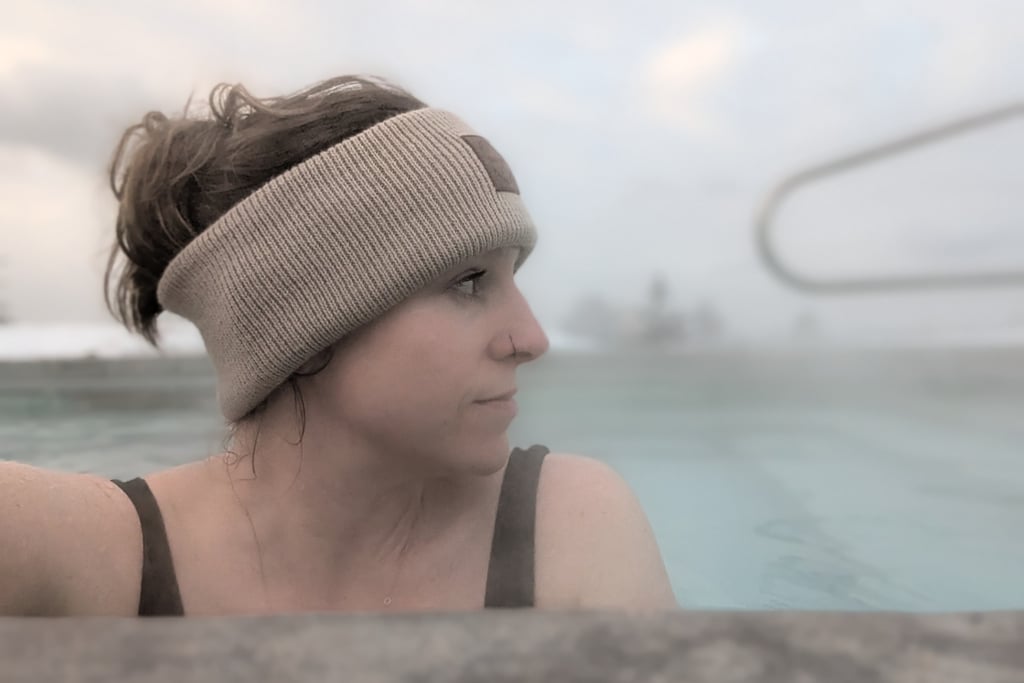
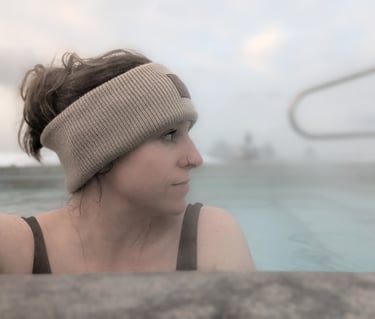
When you step into the sauna as a self-care practice, you aren't just sweating. You are using heat and silence to signal to your brain that the "fight" is over. The warmth helps dilate blood vessels, the quiet allows your heart rate to settle, and the community of women around you fosters a sense of social safety: another key component of nervous system regulation.
This is the "Hervana way." Whether you are working with Jodi Bremner for specific pelvic issues at Berwick Chiropractic or joining her for a Nordic cycle at Saltair Nordic Spa, the goal is the same: to move you out of survival mode and into a state of thriving.
___________________________________________________________________________________________________
Finding Your "Pause"
If you feel like your body has been "on" for too long, here are a few gentle ways to begin regulating your nervous system today:
The Exhale Extension: Try inhaling for a count of four and exhaling for a count of six or eight. A longer exhale is a direct "hack" for the vagus nerve.
Grounding: Place your feet flat on the floor. Notice the weight of your body in your chair. Remind your brain, “Right here, right now, I am safe.”
Soft Jaw, Soft Floor: There is a deep neurological link between the jaw and the pelvic floor. When you relax your mouth and tongue, your pelvic floor often follows suit.
Seek Community: Sometimes, the best way to heal a nervous system is to be in the presence of others who are also at peace. Our wellness retreats and wellness sessions are designed for exactly this.
___________________________________________________________________________________________________
___________________________________________________________________________________________________
A Journey Back to Yourself
Your pelvic floor is not a problem to be solved; it is a part of you that is asking for attention. When we stop fighting our bodies and start listening to them, the path to healing becomes much clearer.
By regulating your nervous system, you aren't just helping your pelvic floor: you are reclaiming your vitality, your pleasure, and your peace. You are moving away from the "noise" of modern stress and into the "quiet connection" of your own inner wisdom.
We are here to walk that path with you. Whether you need clinical support, a restorative movement session, or simply a place to be, you are always welcome in our sanctuary.
___________________________________________________________________________________________________
If your body is whispering for a moment of true rest, we invite you to join us for a Mindful Movement or Nordic practice session. Come find your "pause" and let your nervous system: and your pelvic floor (finally breathe.)

Quick Links
© 2026 Hervana Women's Wellness. All rights reserved.


Jodi Bremner PT
Follow Us
jodi@hervanawomenswellness.ca
(902) 907-4061
Services are offered in partnership with two beautiful spaces (ask to schedule with Jodi from Hervana):
Pelvic Physiotherapy
Self-Care Events & Sauna Classes
At Berwick Chiropractic Health & Wellness
188 Commercial St, Berwick, NS
(902) 538-5005 | Book Online ›
At Saltair Nordic Spa & Wellness
848 Long Beach Rd, Baxters Harbour, NS
(902) 582-2400 | connect@saltairnordic.ca
Evening Events › | Guided Sauna Classes ›